7Zone: Comprehensive AI Trading Support Platform
An adaptive, multi-modal architecture for quantitative market analysis that enhances trader decision-making through intelligent forecasting and risk-aware recommendations.
System Philosophy & Core Purpose
What 7Zone Is
A trader support platform—an intelligent analytical engine that:
- Ingests market data from multiple sources and timeframes
- Processes data through specialized analytical pipelines
- Generates multi-model predictions using ML and quantitative methods
- Fuses predictions into consolidated market insights
- Recommends position sizing and risk adjustments
- Continuously monitors prediction quality and system health
What 7Zone Is Not
- Not a fully automated trading system
- Not a "black box" that hides its reasoning
- Not a system that guarantees profits
- Not a replacement for trader judgment
Core Design Principles
- Adaptive intelligence
- Constraint-based safety
- Multi-perspective analysis
- Transparency within security
- Regime awareness
System Architecture
The 7Zone processing pipeline transforms raw market data into actionable insights through seven interconnected analytical zones:
Data Ingestion & Collection
Raw market prices, volumes, order flow across multiple feeds
Data Preparation & Feature Engineering
Cleaning, transformation, technical indicators, decomposition
Predictive Model Inference
Neural networks + tree-based models forecast future returns
Expert Strategy Evaluation
Rule-based trading strategies generate independent signals
Ensemble Fusion & Signal Aggregation
Dynamic weighting and consolidation of all model outputs
Realism Enforcement & Constraint Validation
Hard guardrails ensure outputs respect market physics
Risk Management & Trade Recommendation
Position sizing, stops, diversification, trader alerts
Zone Details & Technical Specifications
Zone 1: Data Ingestion
Collects raw market data from multiple sources and formats, standardizing it into a unified internal representation.
- High-frequency: Minute-level prices
- Medium-frequency: Hourly candles
- Daily bars: Full OHLCV data
- Weekly/monthly: Longer-term cycle analysis
Zone 2: Feature Engineering
Transforms raw market data into structured features that predictive models can learn from.
- Trend indicators (moving averages)
- Momentum indicators (RSI, MACD)
- Volatility measures (ATR, Bollinger)
- Volume-based features
Zone 3: Predictive Models
Runs multiple independent predictive models to generate return forecasts.
- LSTM Networks for pattern capture
- Temporal Convolutional Networks
- XGBoost & LightGBM ensembles
- Random Forest as sanity check
Zone 4: Expert Strategies
Runs classical, rule-based trading strategies validated by quantitative research.
- Momentum strategy
- Mean reversion strategy
- Breakout strategy
- Trend-following strategy
Zone 5: Ensemble Fusion
Consolidates all predictions and signals into a single unified market forecast.
- Dynamic weighting by recent accuracy
- Attention mechanism for model weighting
- Multi-horizon forecasting
- Fallback logic for reliability
Zone 6: Constraint Validation
Ensures all predictions respect hard market constraints and realities.
- Hard physical bounds enforcement
- Realistic movement bounds
- Volatility state adaptation
- Mean reversion force application
Zone 7: Risk Management
Converts market forecasts into actionable trade recommendations with explicit risk controls.
- Multi-horizon position sizing
- Dynamic stop-loss algorithms
- Correlation and diversification
- Regime-based risk adjustment
Patent Protection & Proprietary Elements
Patented Technologies
- Quantum-inspired data profiling using superposition-based quality scoring
- Feature entanglement detection and regime-aware data classification
- Per-model adaptive scaling with real-time statistical scoring
- Model-specific normalization selection based on data readiness metrics
- Heterogeneous multi-model ensemble with confidence-based governance
- Attention-weighted ensemble output with anomaly rejection
- Guaranteed Realistic Output Engine (volatility, range, plausibility constraints)
- Stateless prediction architecture preventing cross-run contamination
- Autonomous hyperparameter tuning driven by data entropy and volatility
- Self-healing AI pipeline with automatic retraining and fault recovery
Open Source & Standard Components
- Conventional deep learning and tree-based model architectures
- LSTM, Random Forest, XGBoost, and LightGBM algorithms
- Common statistical preprocessing and transformation techniques
- Standard ensemble learning principles
- General anomaly detection and validation methodologies
Performance Summary (6 months)
Profit Factor
Gross profit / gross loss ratio
Sharpe Ratio
Risk-adjusted return measure
Max Drawdown
Maximum peak-to-trough decline
Important Disclosure: Past performance does not guarantee future results. Trading involves substantial risk of loss.
System Architecture & Visualizations
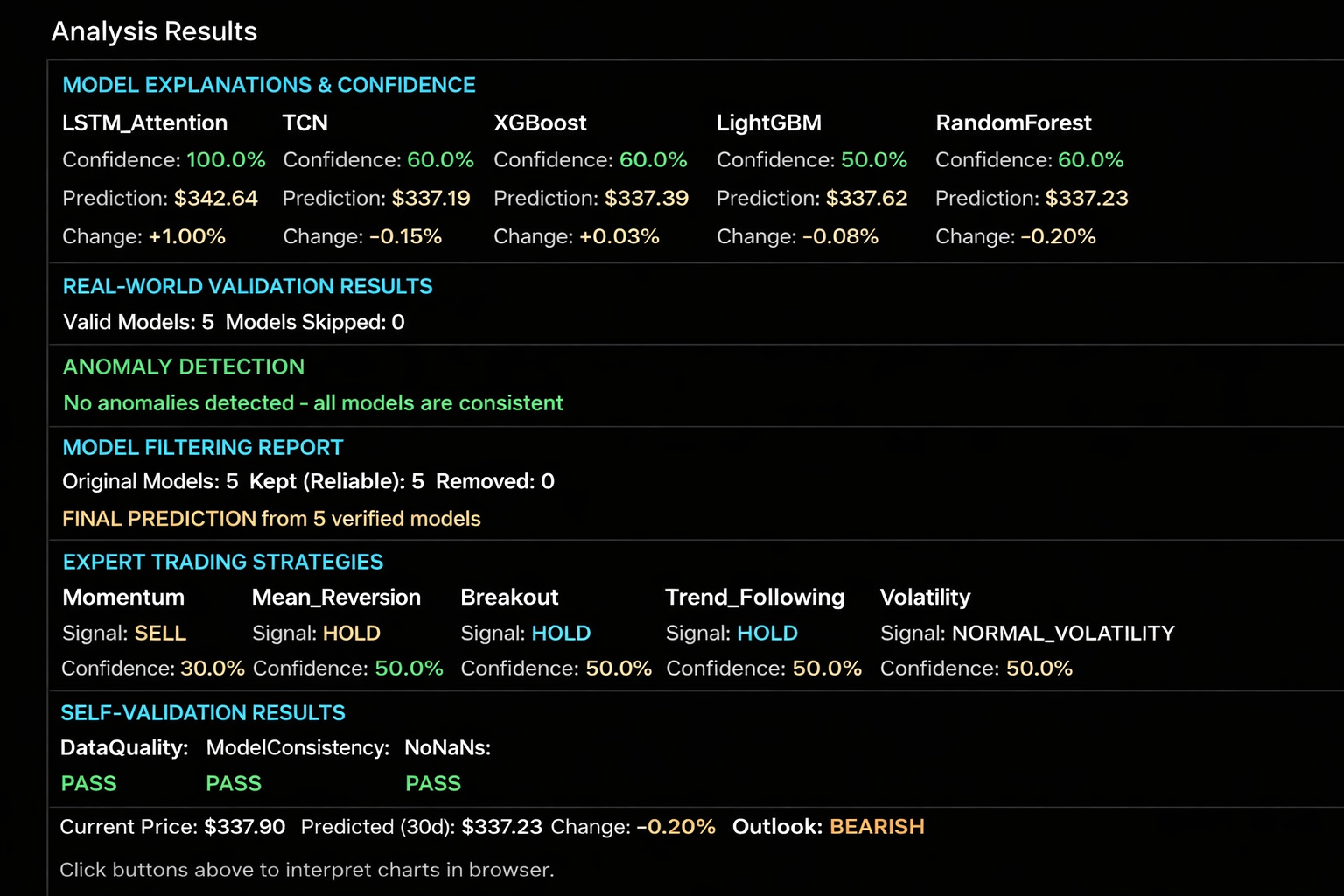
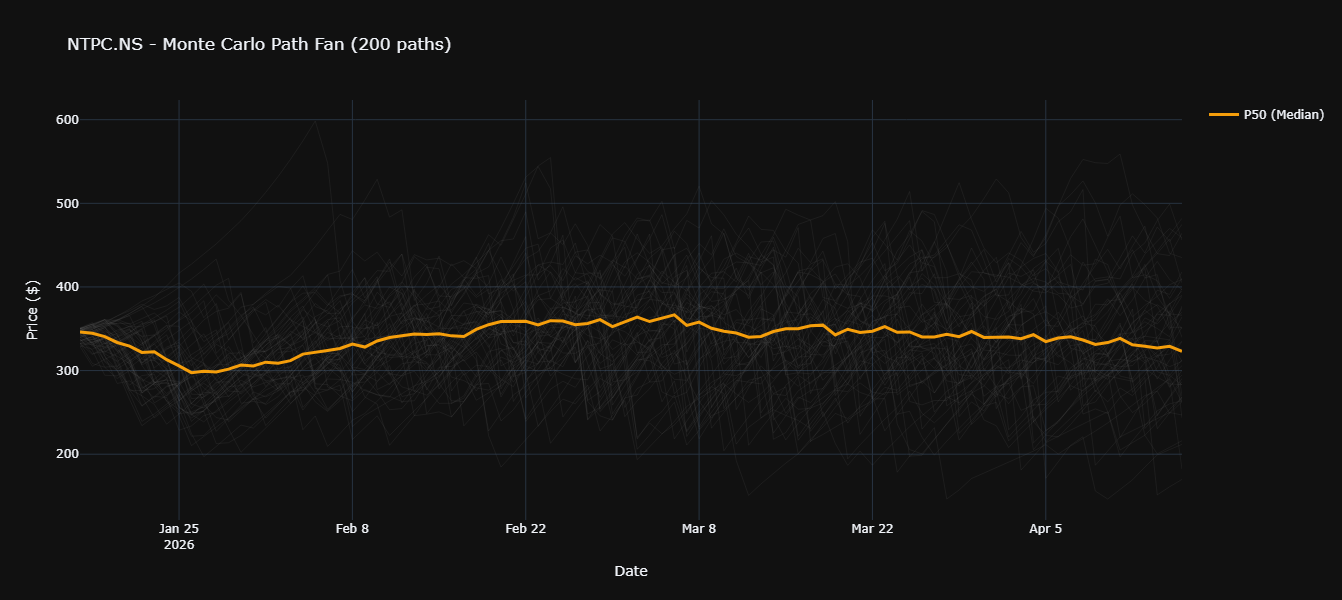
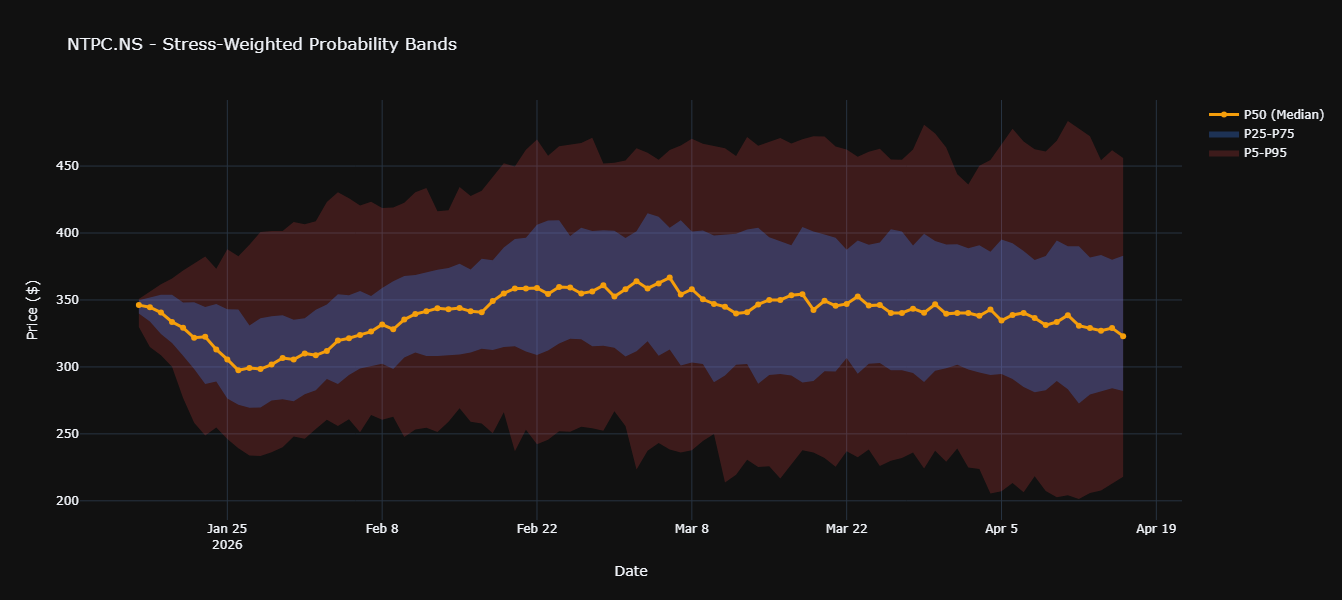
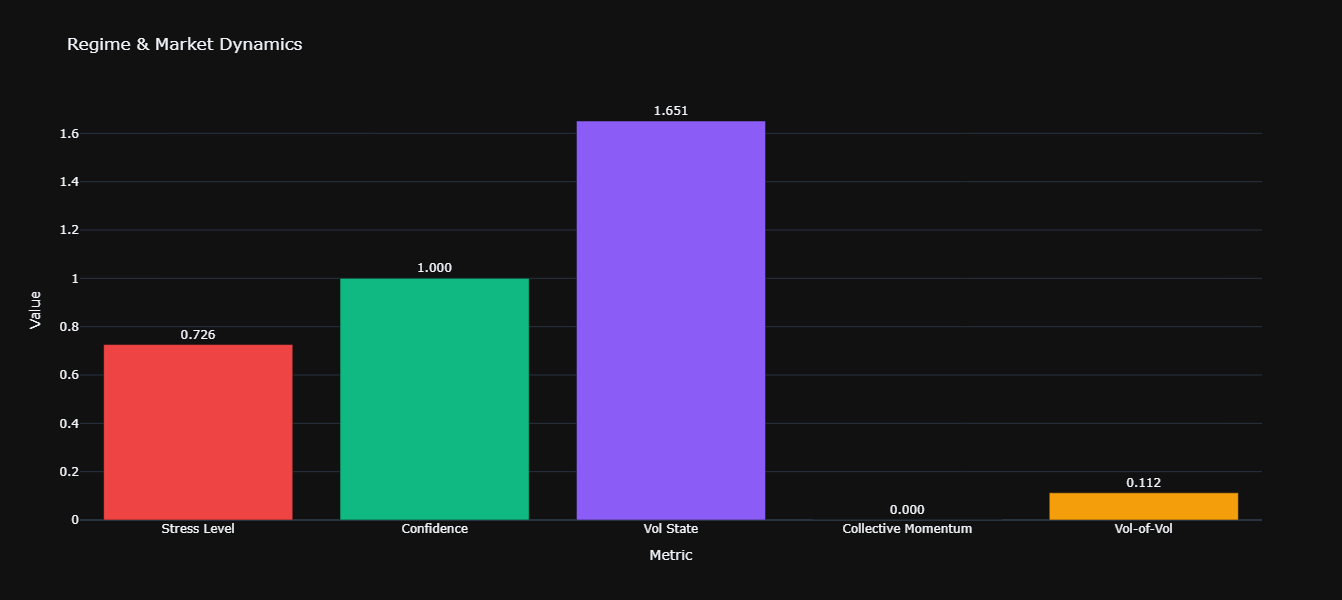
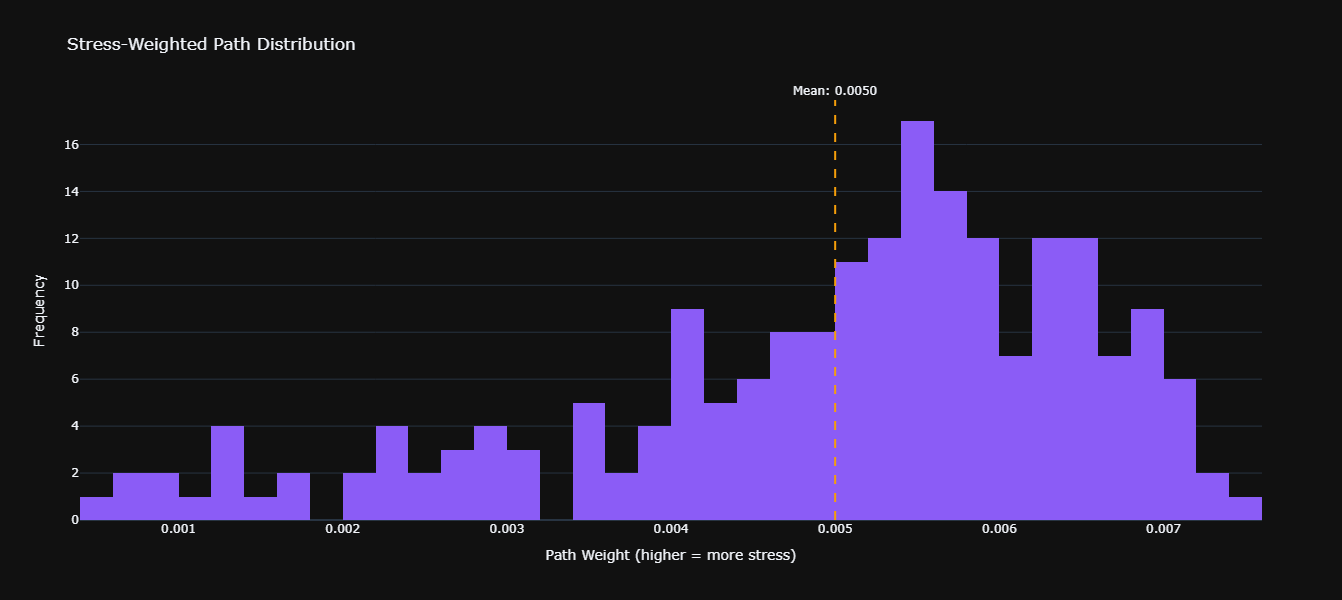
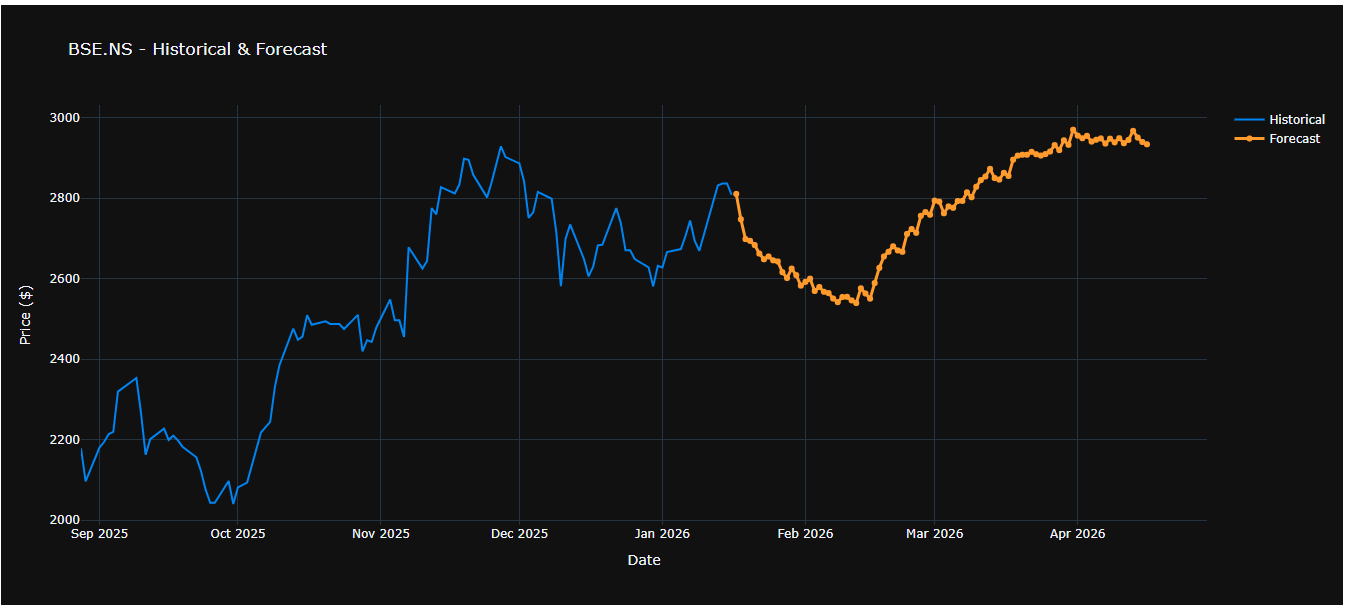
Visual representations of the 7Zone platform architecture and data flow:
Comparison to Alternative Approaches
| Approach | 7Zone | Manual Technical Analysis | Fundamentals-Based | Pure ML Systems |
|---|---|---|---|---|
| Objectivity | Systematic | Subjective | Mixed | Empirical |
| Speed | Hardware Dependent | Minutes | Quarterly | Real-time |
| Emotional Bias | None | High | Some | None |
| Scalability | 1000+ instruments | 10-20 | Limited | Moderate |
| Accuracy | 50-70% | 50-80%+ | Long-term focus | Variable |
| Weakness | Novel events | Slow, subjective | Lagging | Overfitting risk |
Limitations & Honest Assessment
What 7Zone Cannot Do
- Predict black swan events
- Beat efficient markets during absurdity
- Time exact market turns
- Overcome data quality issues
- Adapt instantly to regime changes
Performance Expectations
- Ideal conditions: 55-70% accuracy, Sharpe 0.5-1.5
- Challenging conditions: 48-52% accuracy, negative Sharpe
- Realistic mix: 52-58% accuracy, Sharpe 0.2-0.8
Key Assumptions
- Historical patterns recur
- Data is accurate
- Liquidity exists
- No huge regime shifts
- Traders follow signals
Future Enhancements Roadmap
Near-term
- Sentiment analysis (social media, news)
- Reinforcement learning for exits
- Crypto/exotic assets support
Long-term (6-12 months)
- Causal inference capabilities
- Transfer learning implementation
- Better explainability (SHAP integration)
- Custom proprietary D3 Reasoning model(in modelling)
Conclusion
7Zone is a comprehensive framework for translating market data into actionable trading insights. By combining neural networks, quantitative strategies, ensemble fusion, and constraint enforcement, the system produces forecasts traders can trust.
Amplifies Human Decision-Making
- Removes mechanical bias
- Processes at scale
- Adapts to regime changes
- Enforces risk discipline
- Explains its reasoning
Through seven interconnected zones, 7Zone transforms raw market data into structured, probabilistic views of future price movements that traders use to improve decision-making, reduce drawdowns, and capture alpha.